

 English
 日本語
日本語 русский


Scroll

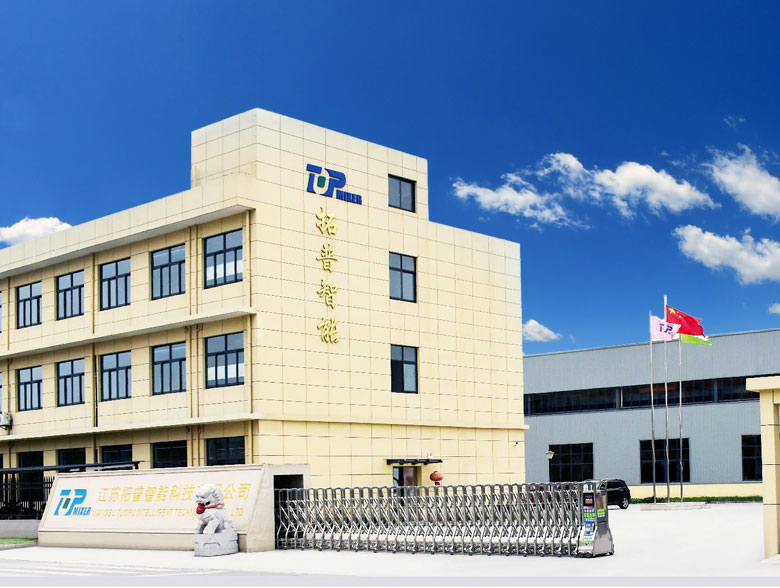
Jiangsu Top Intelligent Technology Co., Ltd.
Jiangsu Top Intelligent Technology Co., Ltd. (Wuxi Top Mixing Equipment Co., Ltd.) was established in 2003. It is a technology-based enterprise
specializing in mechanical mixing equipment and industrial intelligent control systems. Jiangsu Top Intelligent Technology Co., Ltd is China
About Usmixing equipment factory and multi-functional mixers manufacturers
, our mixing equipment is used in multiple fields.Its products are mainly used in the fields of pharmaceutical chemicals, biomass energy, energy storage batteries, fine chemicals, environmental protection, etc...
-
0 +Industry
Experience(years) -
0 +Senior
Engineer(person) -
0 +Factory
Area(㎡) -
0 +Certificates
(patent)
We Provide
Jiangsu Top Intelligent Team has strong R&D capabilities and its
products are highly recognized by the industry.
-
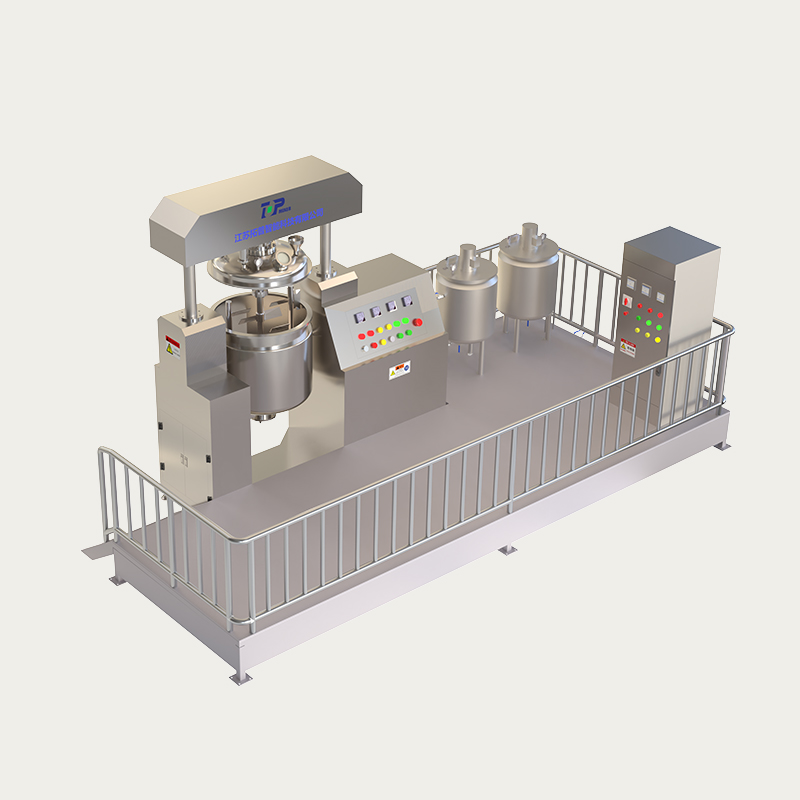
TOP62 Series DJH Homogenizer62 series DJH homogenous mixer is a product developed by our company in combination with advanced foreign technologies. It is suitable for the production of high-viscosity materials such as foundation, cream, and toothpaste. Its biggest feature is that the internal and external circulation homogenizer can enable the material to work in the internal and external circulation homogenization state so that the material can achieve a good emulsification effect. This homogeneous emulsion mixer is professionally designed according to the paste-making process of cosmetics and ointments. This unit consists of a pretreatment pot, vacuum emulsification mixing pot, vacuum pump, hydraulic system, material pouring system, electrical control system, working platform, and other parts. This unit is easy to operate, has stable performance, good homogeneous performance, high production efficiency, reasonable cleaning, small structure, low floor area, and a high degree of automation.Explore More
-
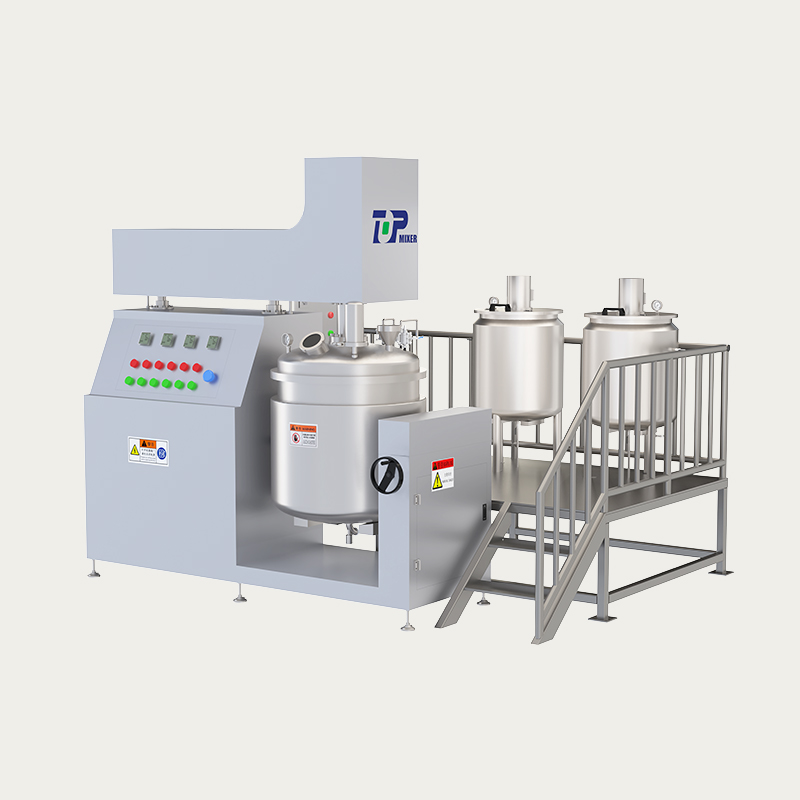
TOPH61 Series ZJH HomogenizerZJH homogenous mixer is a patented product developed by our company in combination with advanced foreign technologies and is complementary to the RHⅡ homogenous mixer. Suitable for the production of high-viscosity materials such as foundation, cream, and toothpaste. Its biggest feature is that the internal and external circulation homogenizer can enable the material to work in the internal and external circulation homogenization state so that the material can achieve a good emulsification effect. This homogenous mixer is professionally designed according to the paste-making process of cosmetics and ointments. This unit consists of a pretreatment pot, vacuum emulsification mixing pot, vacuum pump, hydraulic system, material pouring system, electrical control system, working platform, and other parts. This unit is simple to operate, has stable performance, good homogeneous performance, high production efficiency, convenient cleaning, reasonable structure, small footprint, and high automation.Explore More
-
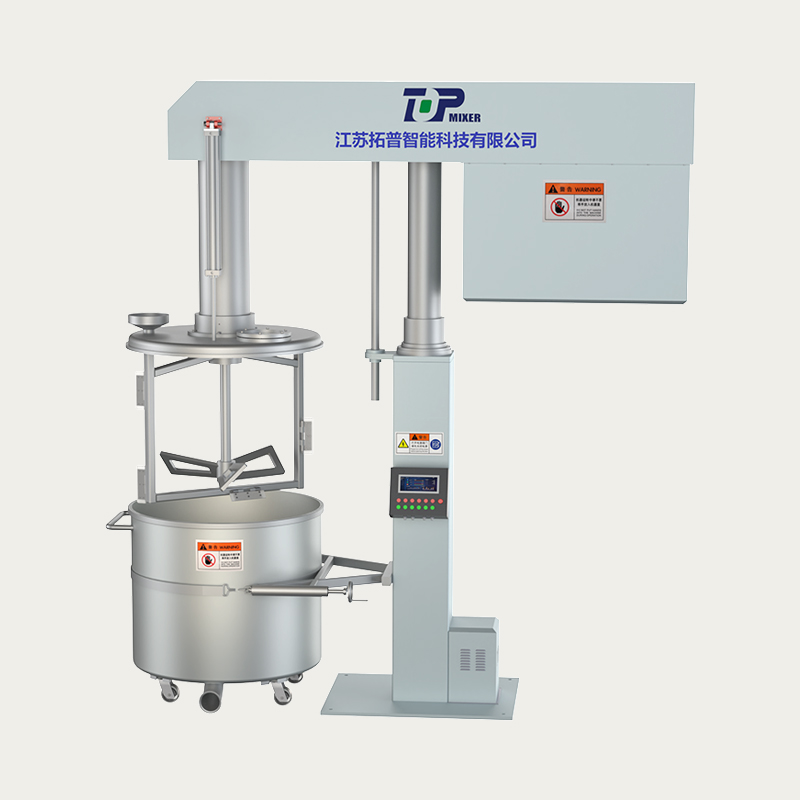
TOPH53 Series SY Two-Speed Hydraulic MixerThe dual-speed multi-functional powerful dispersion mixer is a product with strong dispersion and stirring functions developed on the basis of a hydraulic lifting single-axis mixer. It has a concentric double-axis design; it has an extremely strong shearing effect and extremely high mixing efficiency; this product has good adaptability to medium and high viscosity and thixotropic materials, and a variety of stirring methods are available. Conventional such as anchor type, butterfly type, spiral type, frame type, etc., dispersion emulsification and stirring can be carried out simultaneously, driving the three-dimensional movement of edge materials and accelerating mixing. Wall scraping devices can also be installed to prevent the materials from sticking to the wall, which is highly adaptable and can be customized according to the characteristics of customers' materials and production process requirements.Explore More
-
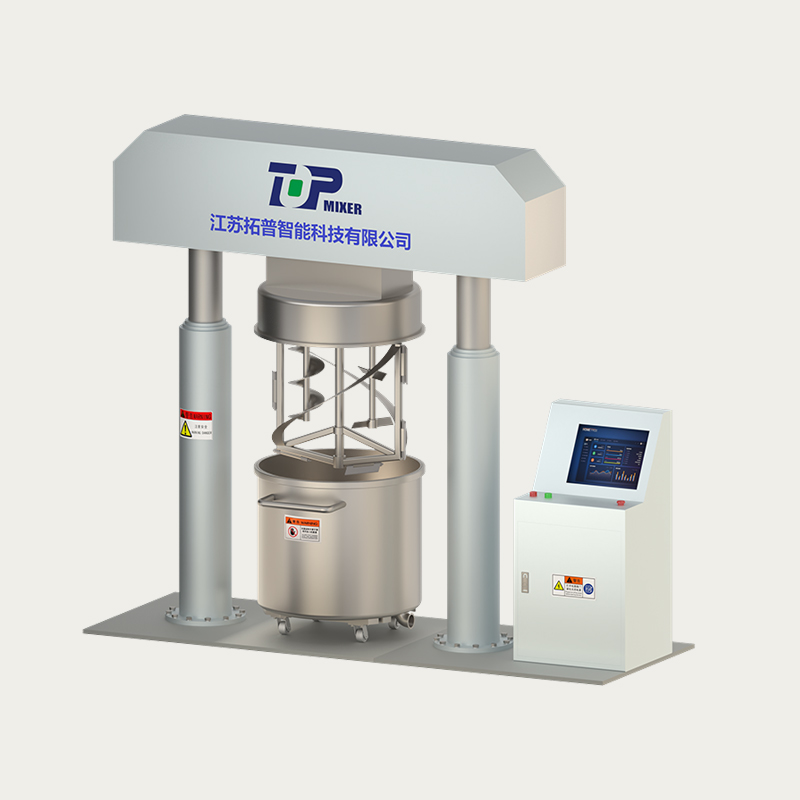
TOPH52 Series SH Three-Shaft Double-Column MixerThe three-axle multi-function dual-column strong dispersion and mixing mixer is a product with strong dispersion and mixing functions developed on the basis of a hydraulic lifting single-axle mixer. The conventional form is a high-speed dispersion mixer combined with anchor-type wall scraping stirring, which has an extremely strong shearing effect and extremely high mixing efficiency. The product is very adaptable to medium-high viscosity and thixotropic materials; one of the sets of high-speed dispersers can replace medium-speed mixers, and the mixing methods are optional, such as screws, blades, frames, etc., and the good mixing form can be designed according to the characteristics of the material and production process.Explore More
-
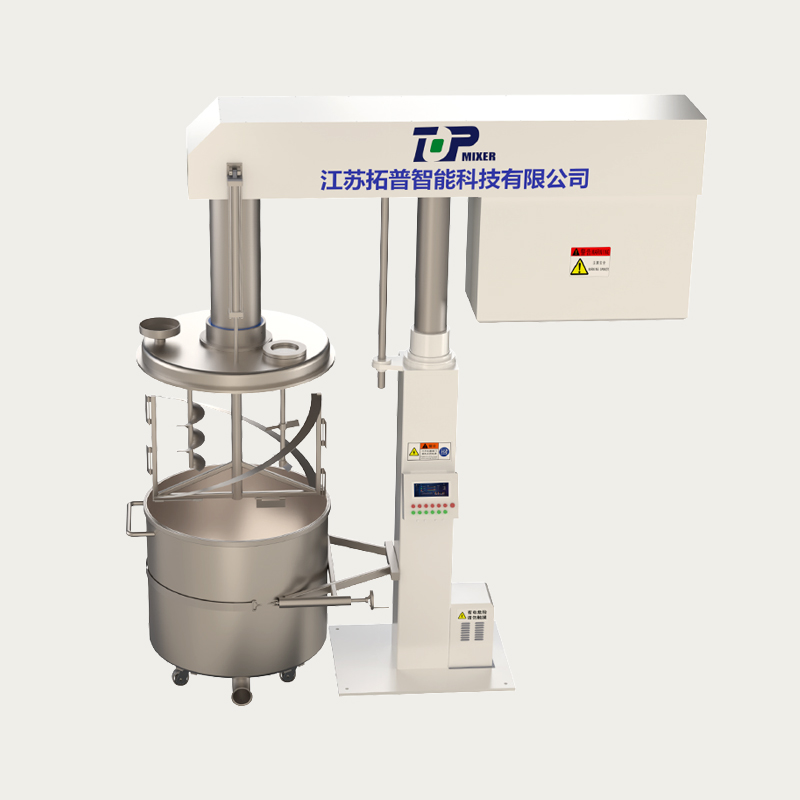
TOPH52 Series SD Three-Axis Single Column MixerThe three-axle multi-function single-column strong dispersion and mixing mixer is a product with strong dispersion and mixing functions developed on the basis of a hydraulic lifting single-axle mixer. The conventional form is a high-speed dispersion mixer combined with anchor-type wall-scraping stirring, which has an extremely strong shearing effect and extremely high mixing efficiency. The product is very adaptable to medium-high viscosity and thixotropic materials; one of the sets of high-speed dispersers can replace medium-speed stirring, and the mixing methods are optional, such as screws, blades, frames, etc., and the good stirring form can be designed according to the characteristics of the material and production process.Explore More
-
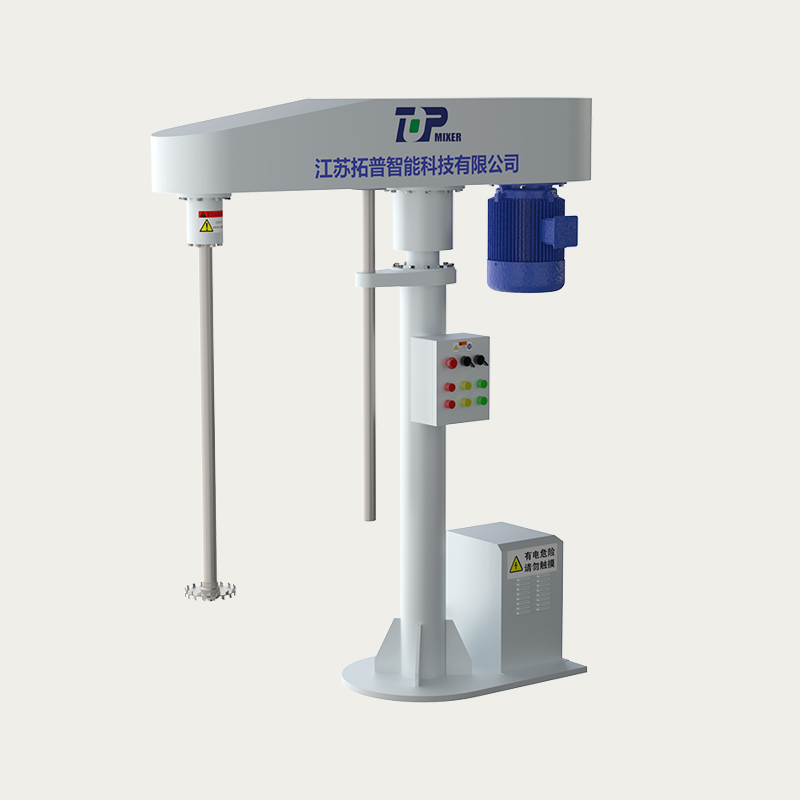
TOPH51 Series FL High Speed DisperserThis series of dispersion mixers can be equipped with a toothed dispersion tray for high-speed dispersion stirring, or various types of stirring machines for stirring on various occasions. This series of mixers is usually used to stir, dissolve, and disperse liquid and liquid solid-phase materials in the chemical industry such as coatings, dyes, pigments, and adhesives.Explore More
-
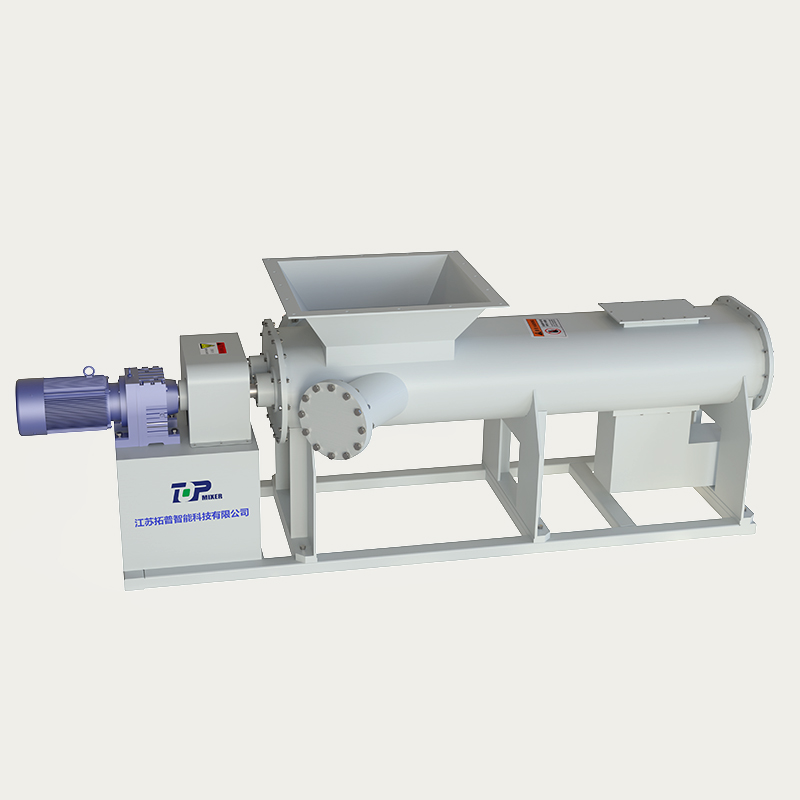
TOPH42 Series US Twin Screw MixerThe 42 series US double screw mixer is manufactured and produced directly using American technology. Based on the data provided by users and the data collected in the experiment, American engineering, and technicians have developed this effective equipment to meet the different needs of users. Excellent production technology and high-quality materials ensure the long service life, and safe and reliable characteristics of the equipment. It is suitable for material mixing in different industries and is widely used in pharmaceuticals, food, fine chemicals, petrochemicals, pesticides, coatings, cosmetics, plastics, pigments, fees, and other industries.Explore More
-
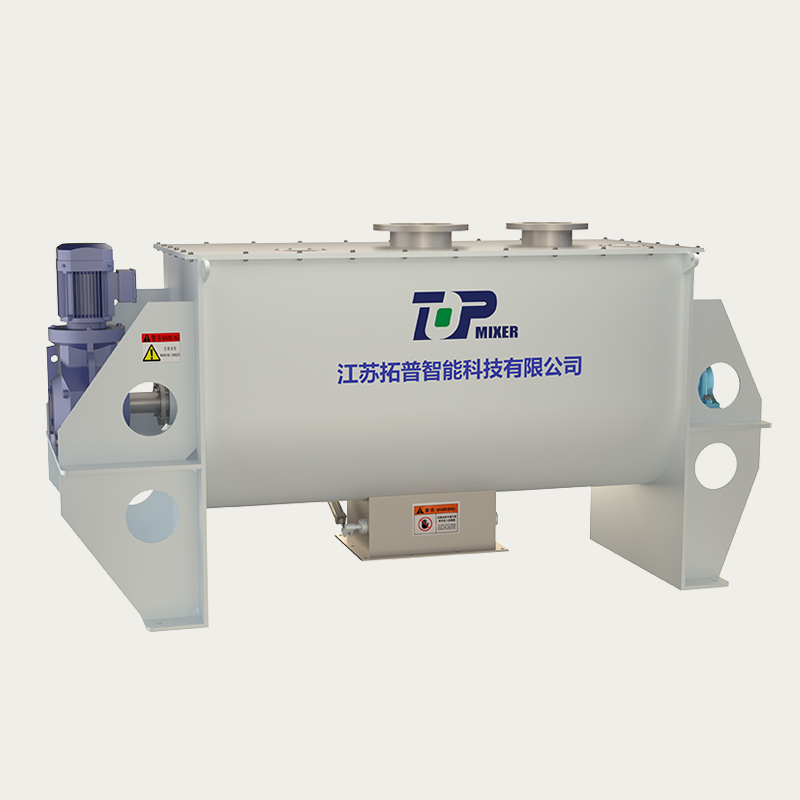
TOPH41 Series U-Shaped Ribbon MixerThe working volume of the screw mixer is from 0.014m3-14.5m3. The different power and speeds meet more requirements. Its characteristic is that the equipment can be coordinated well with your machine. It has a vacuum and hot and cold jackets. The materials can be selected at any time. The intermediate or bottom discharge design is available. The cutter and a variety of filler boxes are available. Plus its unique four optional screw arrangement forms make the materials evenly mixed.Explore More
-
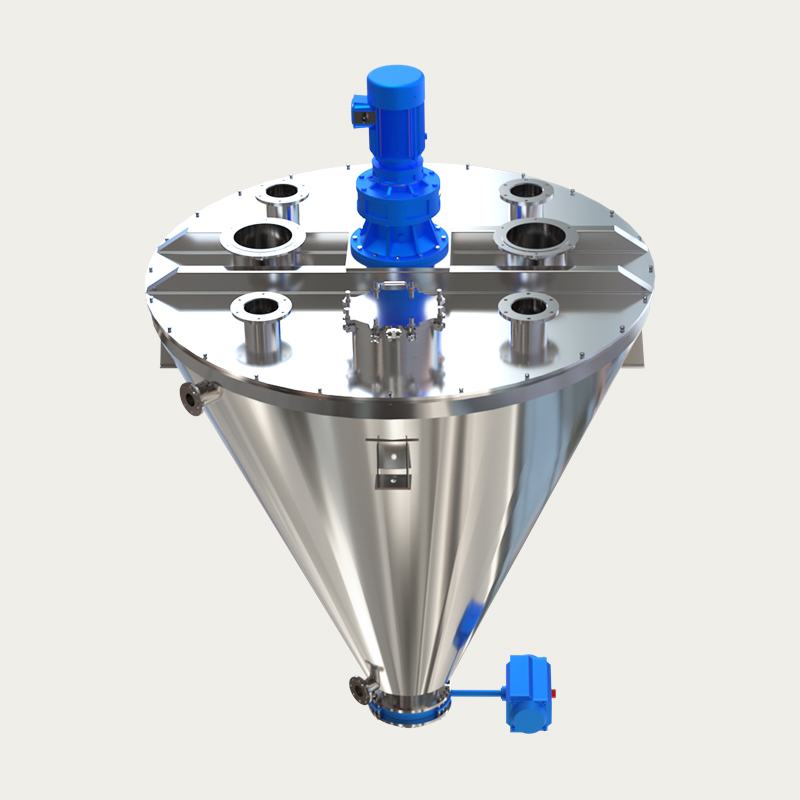
TOPH2032 Series SL Double Helix Conical MixerThe 32 series double helix conical mixer is a new type of mixing equipment with high homogeneity, low energy consumption, low residue, and low crushing. The equipment is equipped with two asymmetric spirals. While rotating around the axis, they rotate around the axis and use the rotation action of the rotating arm to make revolutions in the cone. The material is repeatedly lifted through the male and self-rotation of the spirals to finally achieve the purpose of mixing evenly. This product has a wide range of applications and can mix powder and powder, powder and liquid, and can stir fine powder, fiber, or sheet-like materials.Explore More
-
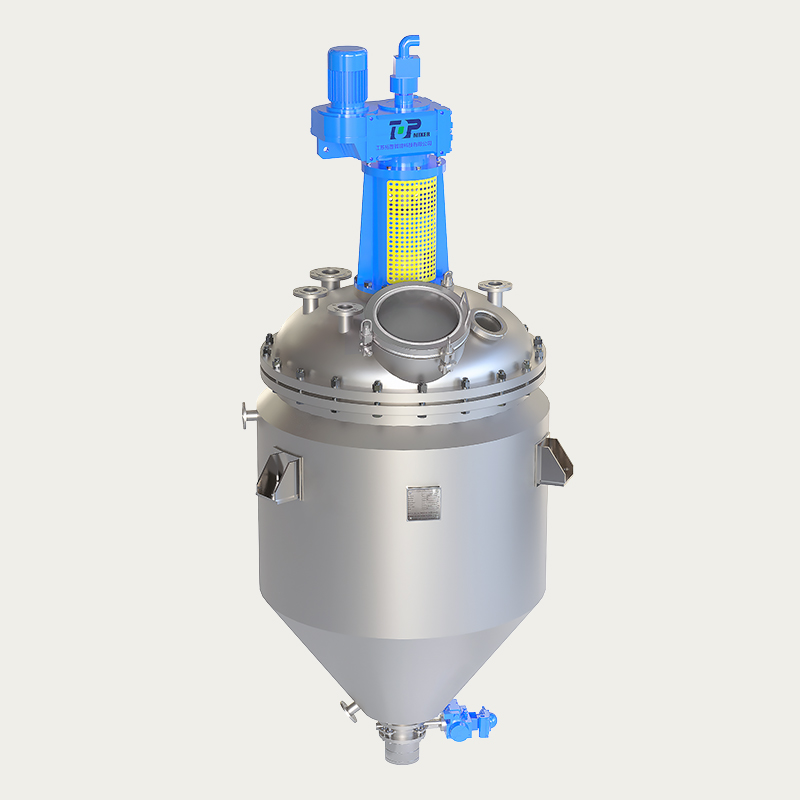
TOPH2031 Series V-Type Vacuum Ribbon MixerProduct Advantages 1. Frequently displace and stir the free-flow solid material. 2. Cantilever shaft structure, the bearing end does not come into contact with the material. 3. The gap between the stirring slurry and the container wall is very small to prevent the material from being bonded. 4. Standardized stirring drive box to ensure stable operation and low maintenance costs. 5. O-rings with special geometric shapes, high-quality equipment surface treatment and eliminate blind spots. 6. The container can be heated or cooled by an outer jacket (optional). 7. The crusher is used to prevent material from agglomerating.Explore More
-
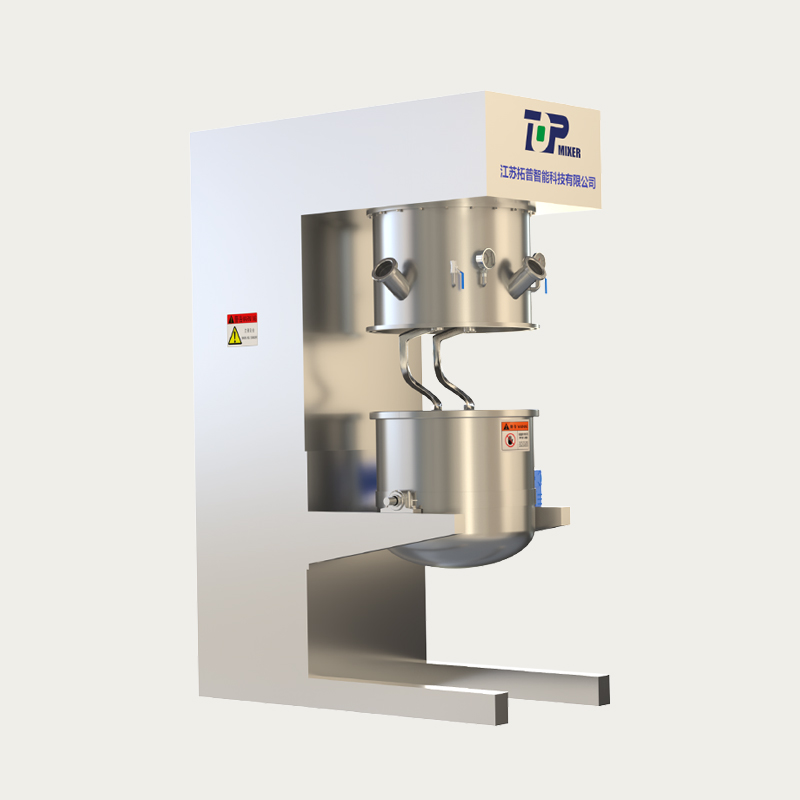
TOPH2022 Series GG Industrial Planetary MixerThe 22 Series GG industrial planetary mixer is a new and efficient mixing equipment. The mixing paddle rotates around the axis of the kettle body while rotating around its own axis so that the materials can be fully mixed in the kettle; the 22 Series GG industrial planetary mixer has good mixing, stirring, reaction, dispersion ,and dissolution, and is especially suitable for solid-solid and solid-liquid mixing. At the same time, the equipment also has a wall scraping function, which ensures no dead corners and no residues during the entire equipment operation. There are many forms of stirring paddles, and the contact material part can be sprayed with ceramic materials (zirconia/tungsten carbide/Teflon, etc.). Reduces metal ion pollution.Explore More
-
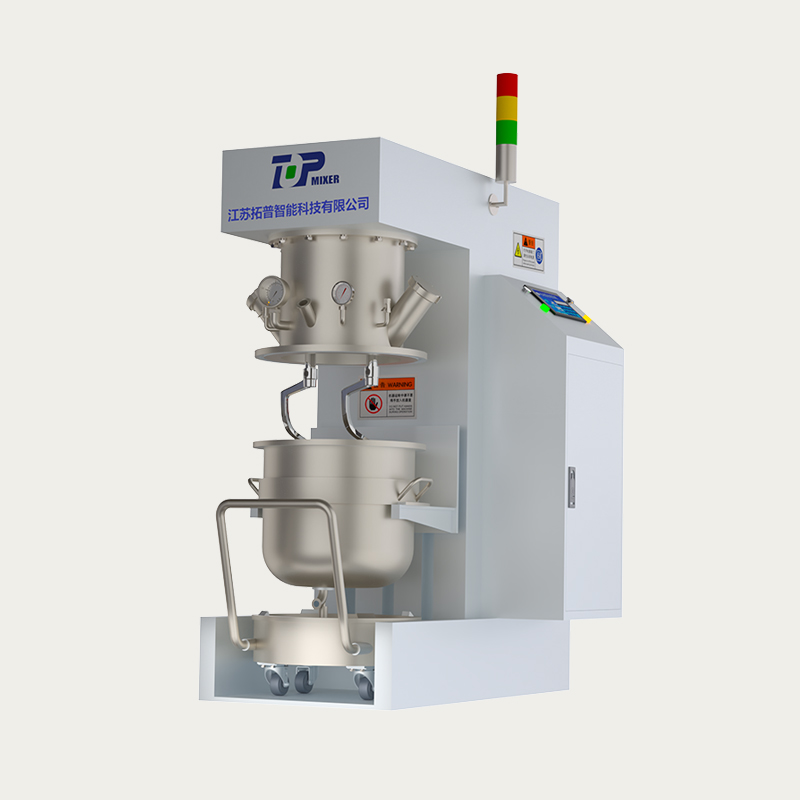
TOPH2021 Series ZG Pilot Planetary MixerDuring the working process of the 21 series ZG type pilot planetary mixer, two parallel mixing pads operate in a fixed rotation ratio set, and rotate quickly along the mixing drum. At the same time, there is a rotating scraper that operates simultaneously with the revolution in the mixing drum, which keeps rotating, so that the material moves from the inner wall of the mixing drum to the vicinity of the mixing pad. The direction of the mixer can be reversible in the same direction and reversible in order to achieve different shearing purposes. The other two high-speed dispersed gear discs of separate power units also operate along the mixing barrel along with the rotation, performing efficient dispersion, emulsification, and high-speed dispersed gear discs to be variable frequency speed regulation, and can be customized according to the production process. This type of movement can enable the material to achieve a completely uniform emulsification and mixing effect in a short time and is especially suitable for the dispersion and mixing of solid-solid phase, solid-liquid phase, and liquid-liquid phase.Explore More
Top Intelligent Tech
Jiangsu Top Intelligent Technology Co., Ltd. has introduced European
technology and advanced testing equipment through cooperation with TOP
MIXER PTE. LTD. The company has a number of patents to solve mixing
problems. Through ERP and 5S management, it has obtained ISO9001
certification, provides high-quality products, and cooperates with
well-known companies.
-
 Advanced Technology
 -
 Testing Capabilities
 -
 Research and Innovation
 -
 High-Quality Management
There are many teams around
the world who trust Top
In our projects, we strive to achieve excellence in every service we provide, adding value to our
clients wherever possible and thus gaining a position in the industry.





Innovative Mixing and Control
Solutions Across Industries
We provide advanced mechanical mixing and intelligent control technologies across various industries, enabling our clients to achieve exceptional process efficiency and product quality.
View All
-
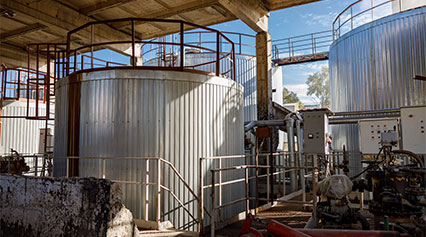 Anaerobic Fermentation
01/06
Anaerobic Fermentation
01/06
-
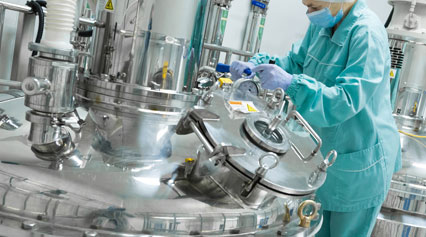 Pharmaceutical Industry
02/06
Pharmaceutical Industry
02/06
-
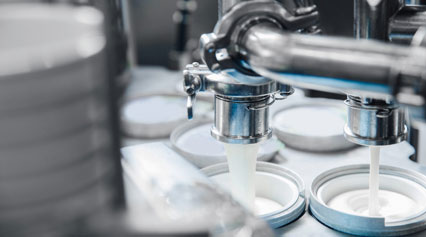 Food Industry
03/06
Food Industry
03/06
-
 Lithium Battery Industry
04/06
Lithium Battery Industry
04/06
-
 Environmental protection
05/06
Environmental protection
05/06
-
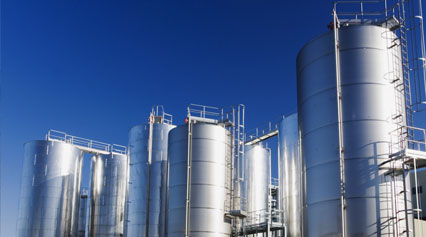 Chemical industry
06/06
Chemical industry
06/06
News&Blog
View All News
-
Sep.30.2026Double Planetary Mixer Selection Guide: Viscosity Limits, Specs and Scale-UpA 300-litre batch of silicone sealant is running. The jacket is at 120 °C, the centre of the batch reads 65 °C, and after....Explore More
-
Sep.23.2026Magnesium Hydroxide Slurry Storage and Handling: A Complete Guide to Preventing SettlingWhen a storage tank of magnesium hydroxide slurry sits idle over a long weekend, the suspended particles begin their slow m....Explore More
-
Sep.16.2026High Speed Mixer Selection: Tip Speed, Blade Geometry, and Tank LayoutAsk a maintenance team why their dispersion tank keeps producing gritty batches, and the answer usually comes down to the s....Explore More
-
Sep.09.2026Battery Powder Processing and Mixing Equipment: A Practical Selection GuideWhen a pilot-scale battery formulation moves to production, the first batch usually fails not because of chemistry but beca....Explore More
-
Sep.02.2026High Speed Disperser | Working Principle, Types, and How to Select the Right OneWhen a batch of paint or adhesive sits in a tank after raw material loading, the dry pigment still floats in lumps. A slow ....Explore More
-
Aug.26.2026Types of Mixers in Food Industry: Choosing the Right Blending EquipmentA food plant planning to move from a single liquid filling line into dry seasoning blends and high-viscosity spreads quickl....Explore More

- No. 118, Chuangye Road, Jieshou Town, Gaoyou City, Yangzhou, Jiangsu Province, China
- [email protected]
- Landline: +86-0510-83383966 +86-0510-83390667
- Telphone: +86-0510-83390667
- Mr. Chen: +86-18061519769 Mr. Xu: +86-13706183972
- Mr. Lu: +86-18915337056
- Product Link
- Top-Entry Mixer
- Bottom-Entry Mixer
- Side-Entry Mixer
- SIGN UP
- Sign up to be the first to find out the latest news from Top Intelligent Technology
- Subscribe
Copyright © WUXI TOP MIXER EQUIPMENT CO., LTD. Multi-functional Mixers Manufacturer Mixing Equipment Factory

