Home / Product / Mechanical Seal
WUXI TOP MIXER EQUIPMENT CO., LTD.

Mechanical Seal

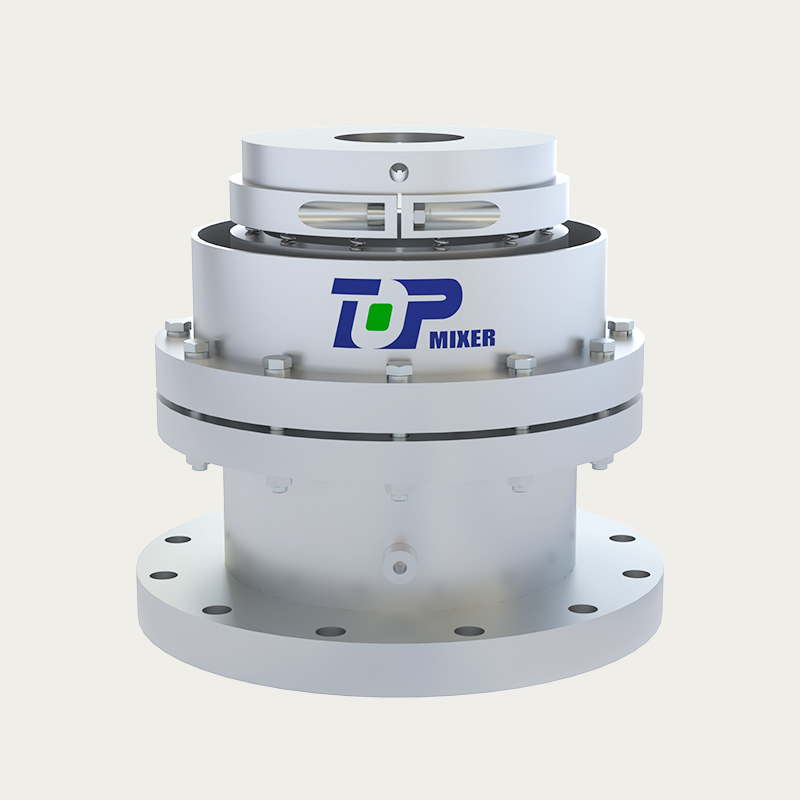
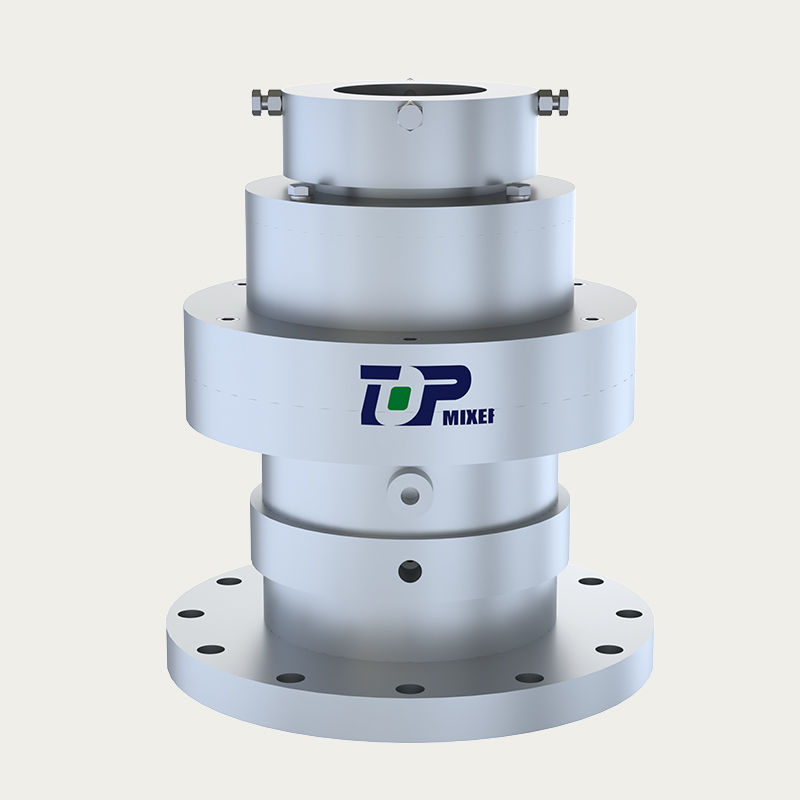
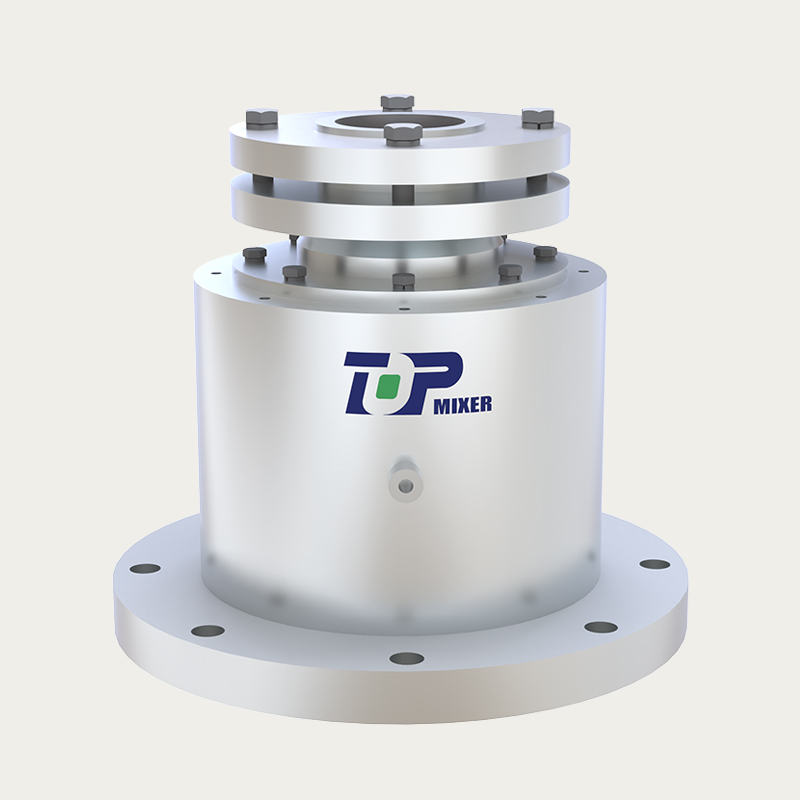
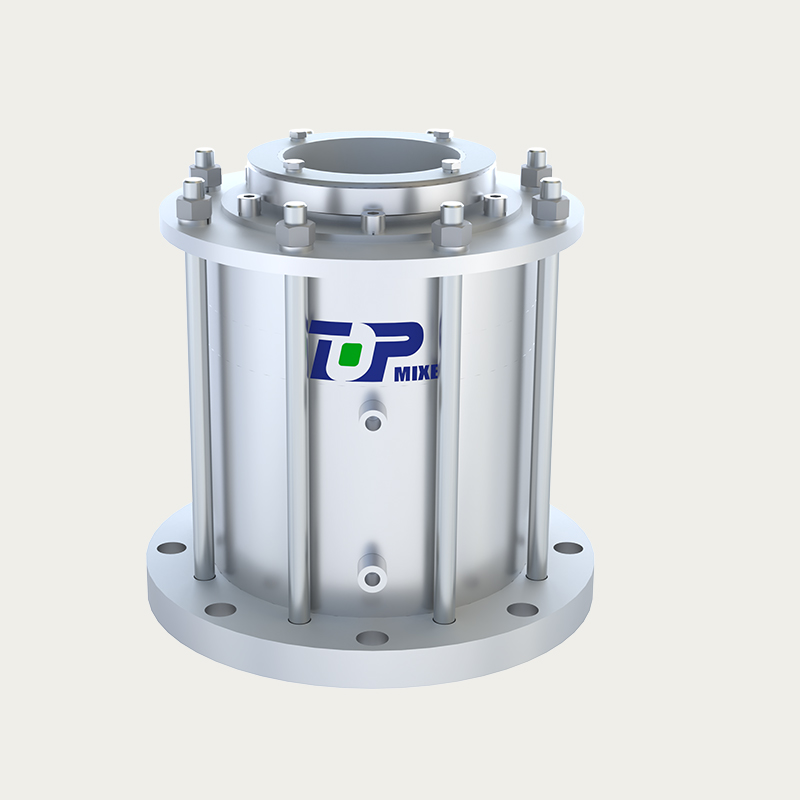
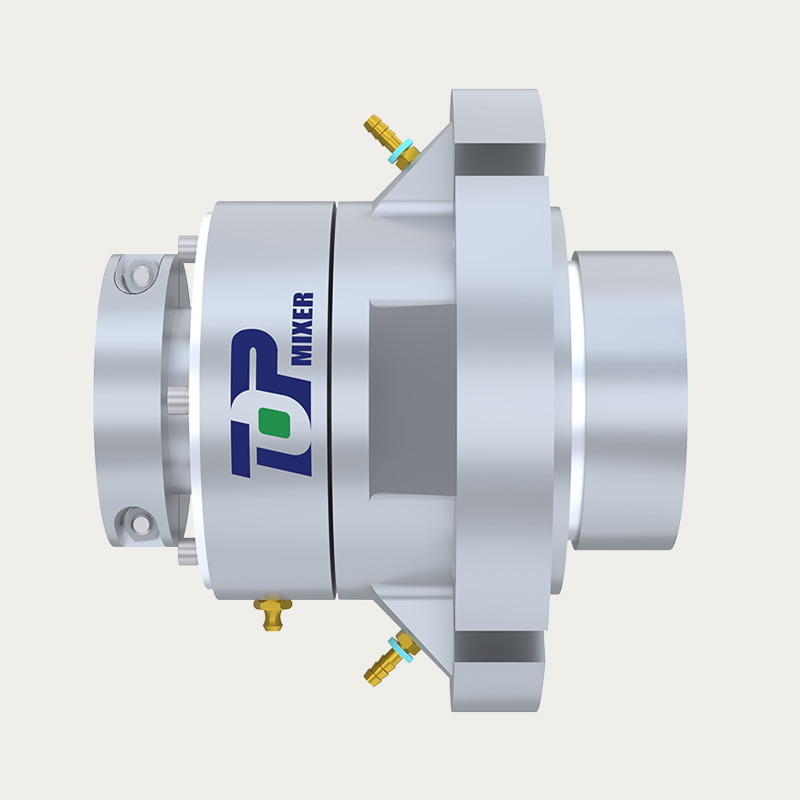
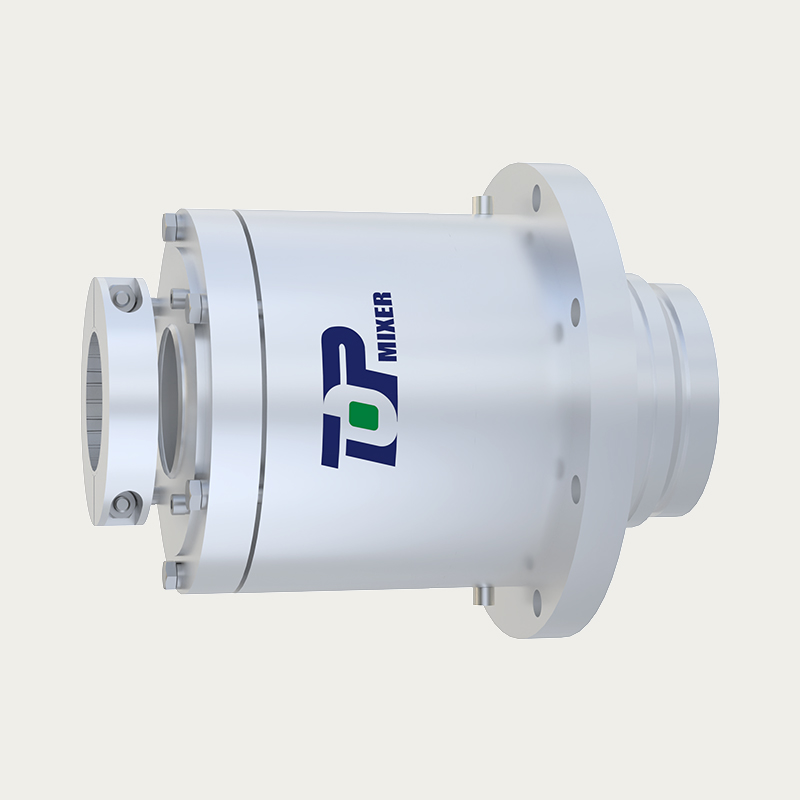
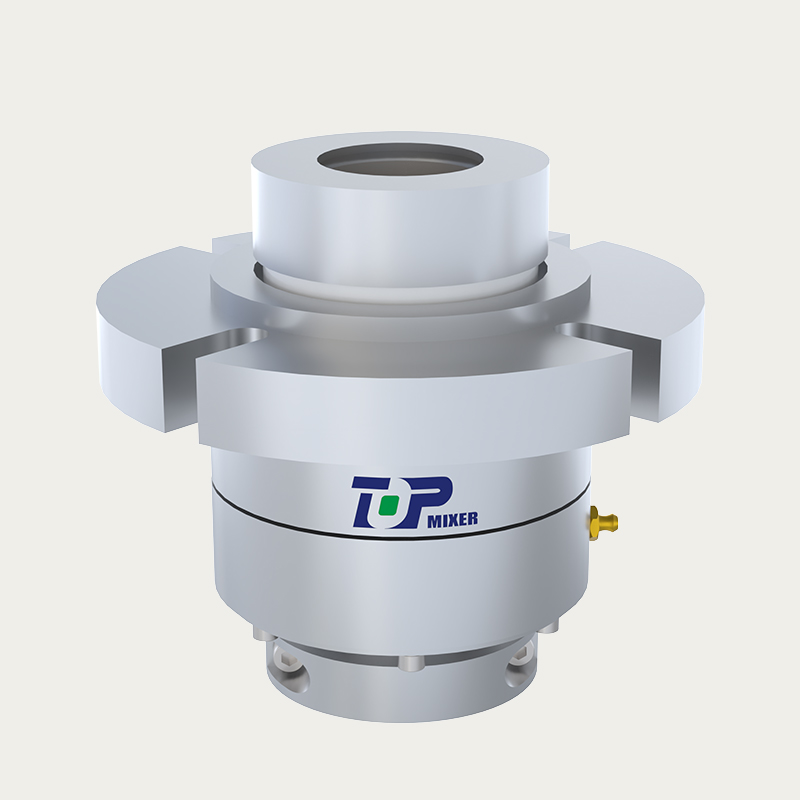
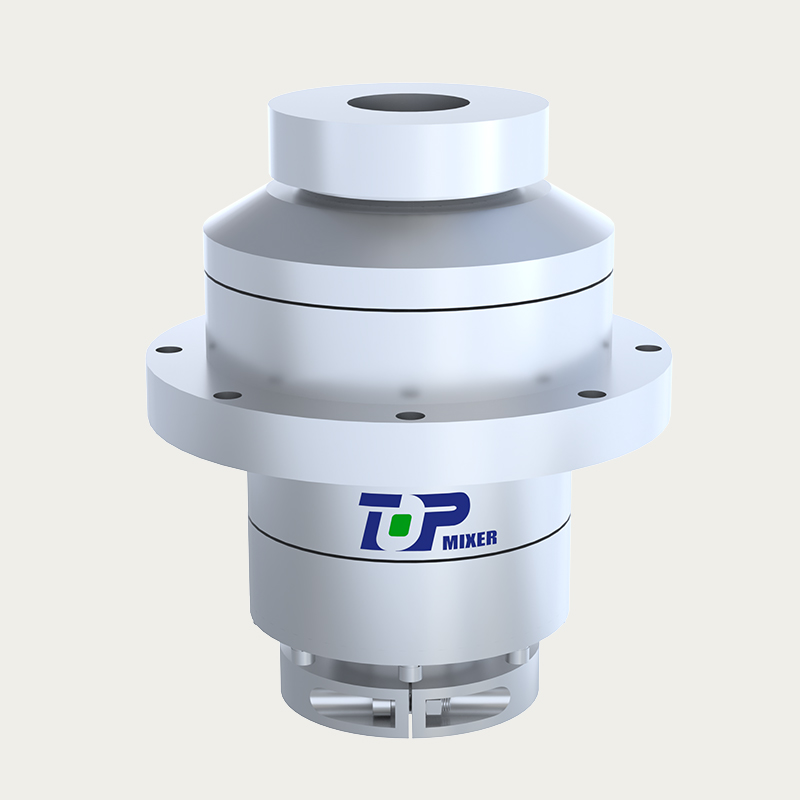
A mechanical seal is a device used to prevent leakage between a rotating shaft and a stationary housing in various machinery. It operates by using a combination of stationary and rotating components, often including a sealing face, spring, and secondary seals, to maintain a tight seal under varying pressures, temperatures, and speeds. Mechanical seals are highly reliable, reduce maintenance needs, and minimize fluid loss, making them essential in modern industries. Commonly used in pumps, mixers, compressors, and agitators, they are widely applied in sectors like oil and gas, chemical processing, water treatment, and power generation. Their ability to handle corrosive, high-temperature, or abrasive fluids ensures enhanced equipment performance and environmental protection, meeting stringent industrial standards.
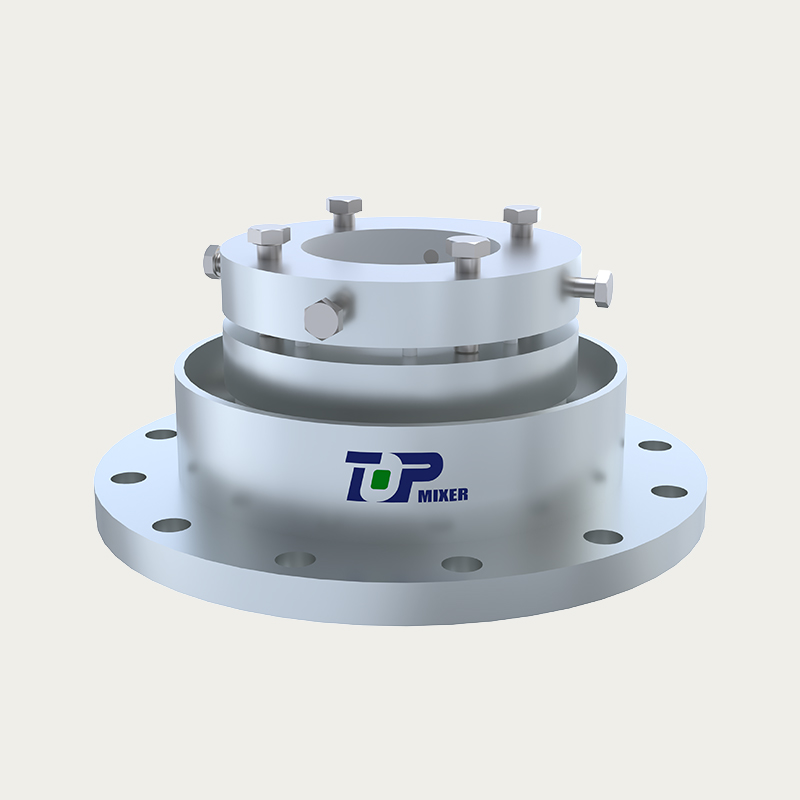
  • 202, 204A, B Single-End Mechanical Seals Mechanical Seal Series For Kettles 202, 204A, B Single-End Mechanical Seals Mechanical Seal Series For Kettles
    Explore More202, 204A, B Single-End Mechanical Seals Mechanical Seal Series For Kettles
  • Type 212 Single-End Mechanical Seal for Reactors Type 212 Single-End Mechanical Seal for Reactors
    This series of seals is the most widely used mechanical seal in glass-lined reactors, allowing for various material and cross-sectional combinations to meet the needs of different operating conditions.
    Explore MoreType 212 Single-End Mechanical Seal for Reactors
  • 205, 206, 207 Double End Mechanical Seal 205, 206, 207 Double End Mechanical Seal
    Explore More205, 206, 207 Double End Mechanical Seal
  • 2004, 2005, 2006 Double End Mechanical Seal 2004, 2005, 2006 Double End Mechanical Seal
    Explore More2004, 2005, 2006 Double End Mechanical Seal
  • TOPEM306 High-Temperature Resistant Mechanical Seal for Reactors TOPEM306 High-Temperature Resistant Mechanical Seal for Reactors
    It features a modular structure, highly interchangeable parts, non-directional transmission, and short axial installation dimensions, and is generally used in conjunction with a hydraulic pump station.
    Explore MoreTOPEM306 High-Temperature Resistant Mechanical Seal for Reactors
  • Side Stirring Single End Mechanical Seal Side Stirring Single End Mechanical Seal
    Simple seal structure, easy to manufacture and install. When installing, just put the sealing accessories into the sealing slot and then gently press them to seal. At the same time, the seal has a good self-adjustment function, which can adapt to different sizes and improve production efficiency. Due to the simple sealing style and relatively few internal structures, the chance of sealing leakage is reduced, the long-term and stable use of seals can be ensured, the service life of the machine is extended, and the maintenance cost is reduced.
    Explore MoreSide Stirring Single End Mechanical Seal
  •  Side Stirring Double End Mechanical Seal Side Stirring Double End Mechanical Seal
    Double-end seals are usually made of high-temperature, corrosion, and wear-resistant materials to ensure their stability and durability in harsh working environments. At the same time, it also needs to have good sealing performance and wear resistance to ensure the long-term and stable operation of the equipment.
    Explore More Side Stirring Double End Mechanical Seal
  • Bottom-Entry Single-End Mechanical Seal Bottom-Entry Single-End Mechanical Seal
    The design feature of the mechanical seal of the bottom insert reactor is that the stirring shaft is short, which makes the bending stress on the shaft small, so it can save materials when calculating the shaft diameter, which saves both labor and material. In addition, the short shaft has better rigidity and has a smaller deformation rate than the long shaft, which helps improve sealing performance.
    Explore MoreBottom-Entry Single-End Mechanical Seal
  • Bottom-Entry Double-End Mechanical Seal Bottom-Entry Double-End Mechanical Seal
    Bottom-in mechanical seal refers to a mechanical sealing method in which the spring and the moving ring are installed in the sealing box and come into contact with the medium. The characteristic of this sealing method is that its spring and moving ring are installed inside the sealing box and are directly in contact with the medium, thereby achieving an effective seal of fluid. The bottom-in mechanical seal is designed to maintain the fit and slide relative to prevent fluid leakage through the fit of the spring and the moving ring, as well as the auxiliary seal. This sealing method is suitable for a variety of rotating fluid machinery, such as centrifugal pumps, centrifuges, reactors, and compressors, where the transmission shaft penetrates the inside and outside of the equipment, forming a circumferential gap. The bottom-in mechanical seal can effectively prevent the passage of fluid leakage in the gap and keep the pressure inside the device stable. The elastic loading mechanism and auxiliary seals of bottom-in mechanical seals usually use metal corrugated pipes, while in light seals, rubber corrugated pipes may be used as auxiliary seals, but the elastic force of rubber corrugated pipes is limited, so they usually need to be supplemented with springs. Loading elastic demand. This sealing method has been widely used in the industrial field due to its reliable structure, low leakage, and long life.
    Explore MoreBottom-Entry Double-End Mechanical Seal