

 English
 日本語
日本語 русский




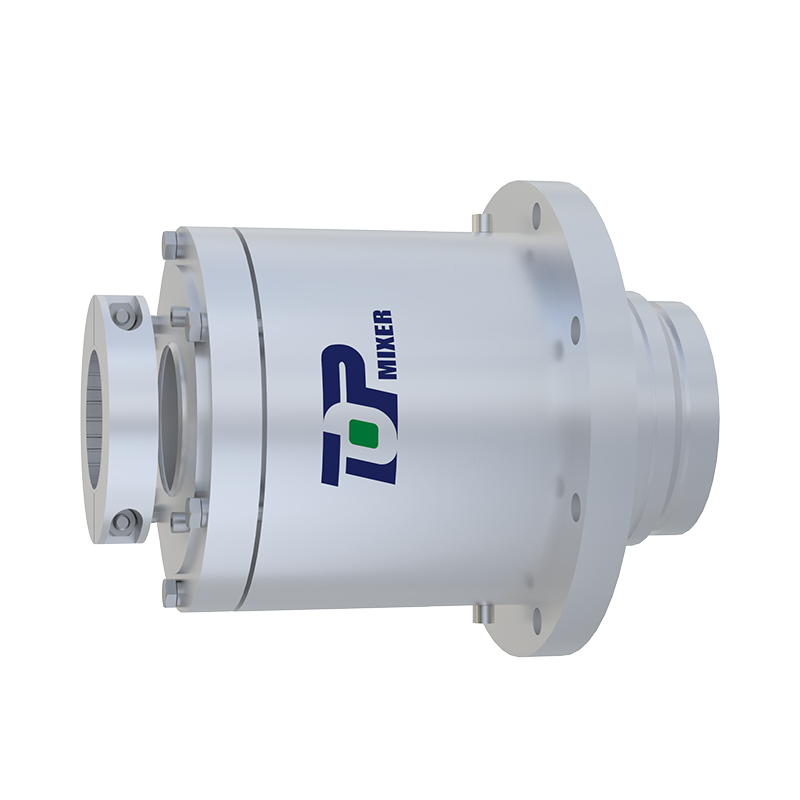
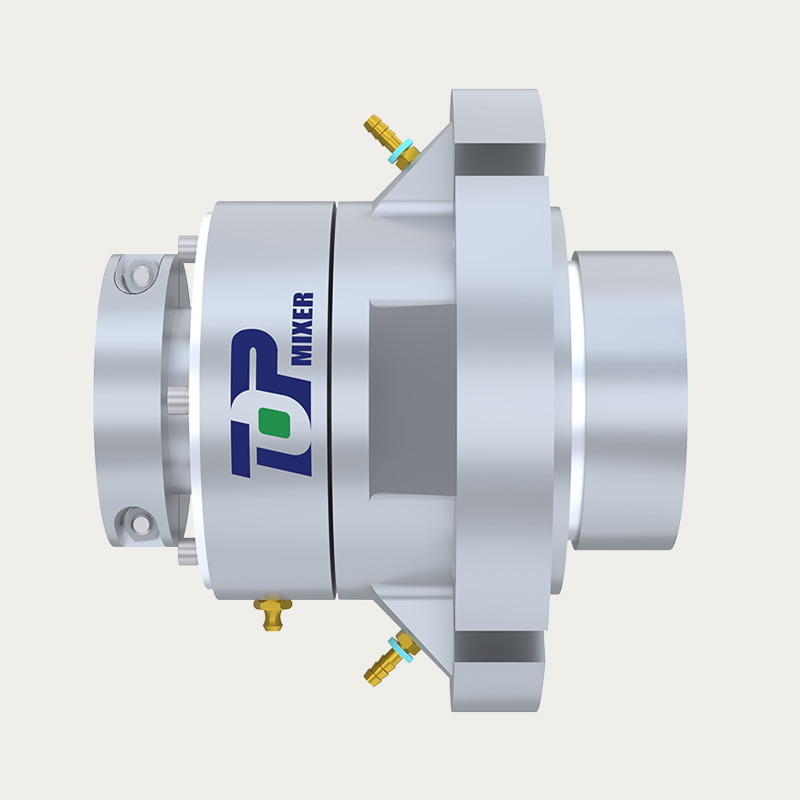
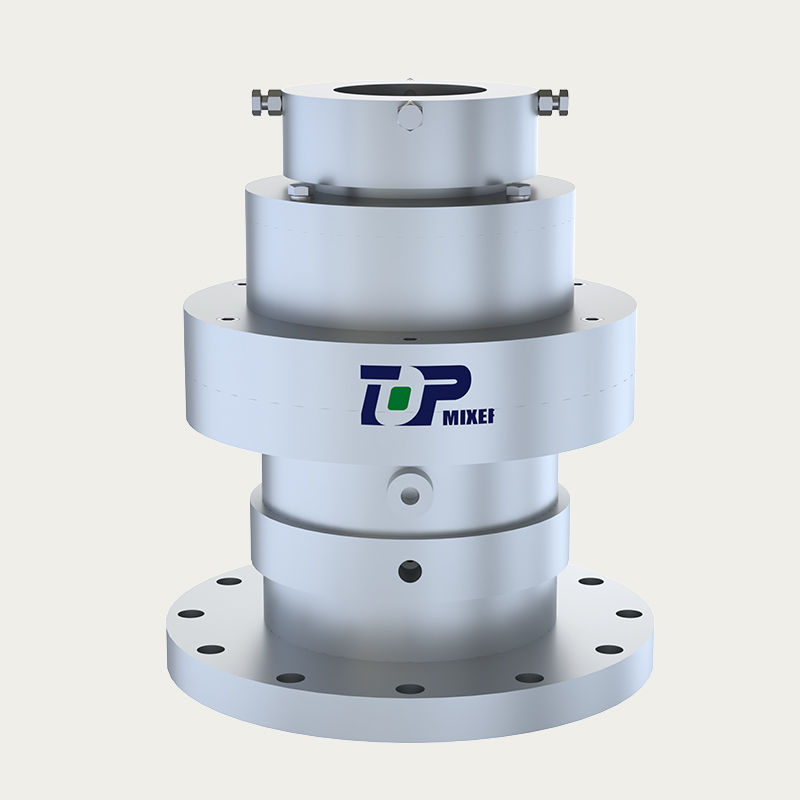
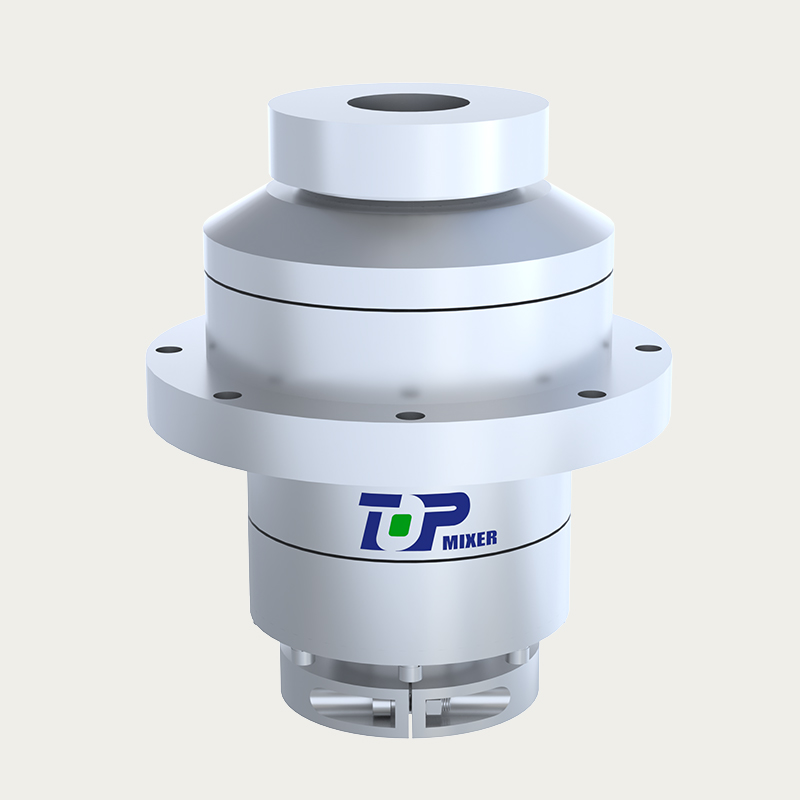
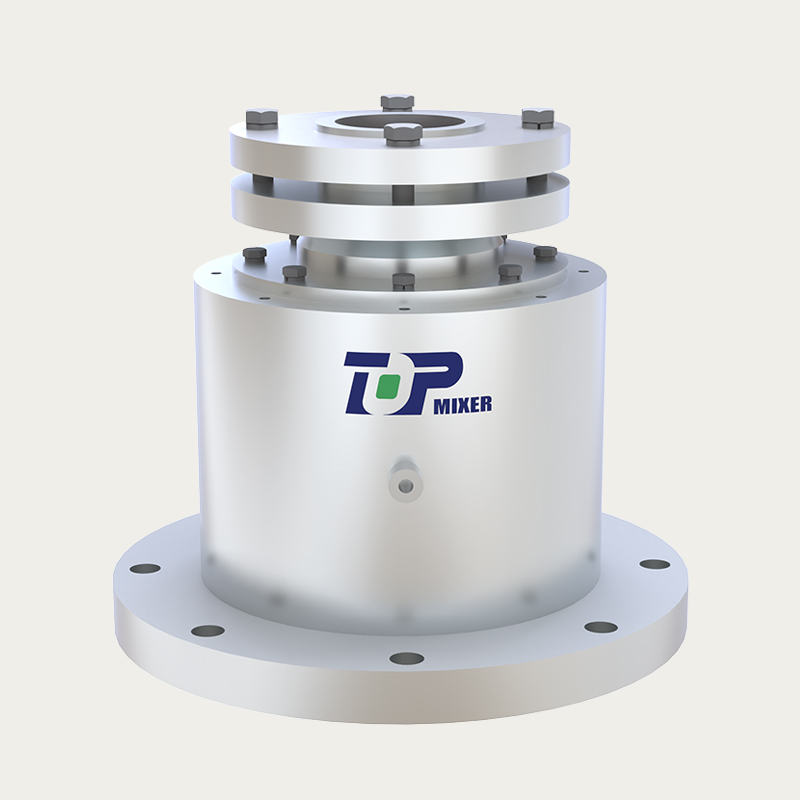
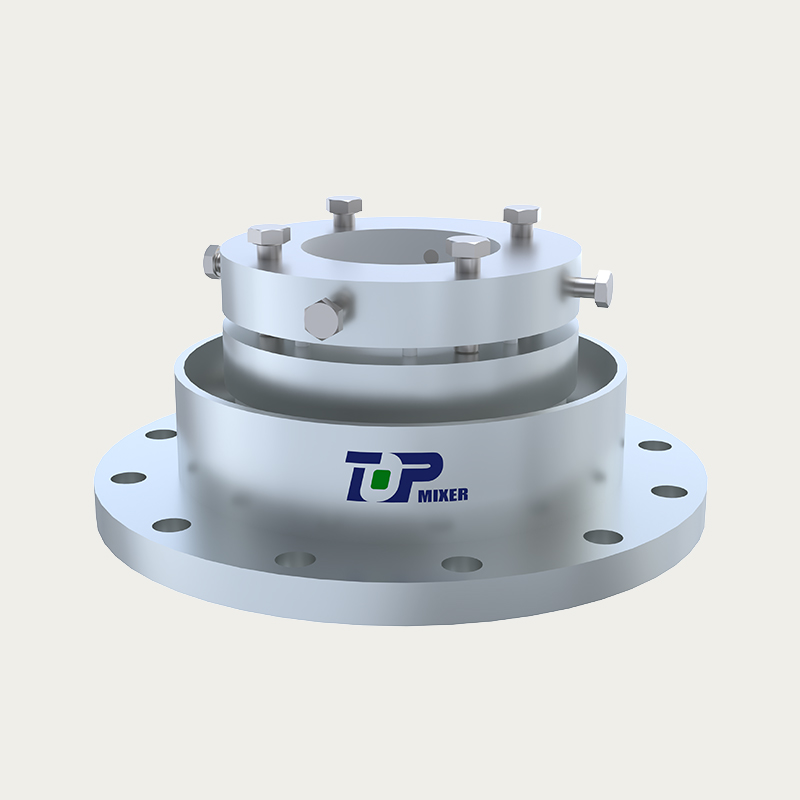
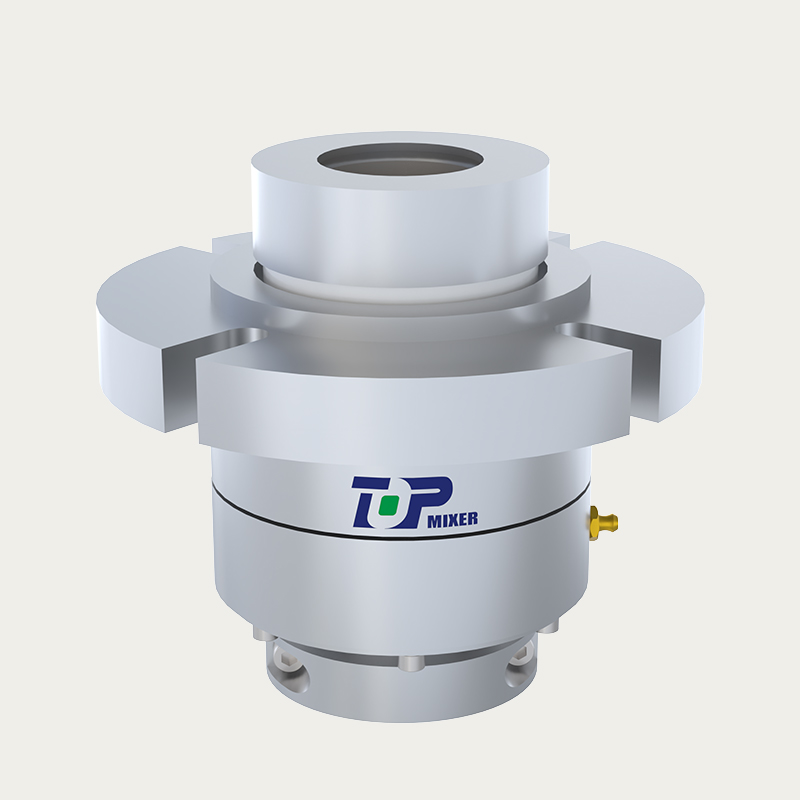
Side Stirring Double End Mechanical Seal

Double-end seals are usually made of high-temperature, corrosion, and wear-resistant materials to ensure their stability and durability in harsh working environments. At the same time, it also needs to have good sealing performance and wear resistance to ensure the long-term and stable operation of the equipment.
Product application
Compared with single-end mechanical seals, double-end mechanical seals are generally equipped with a balanced circulation system and can be used in situations where sealing requirements are stricter, such as flammable, explosive, toxic, corrosive, and high vacuum.
Note
The installation and maintenance of side agitator seals are very important. They need to be installed strictly in accordance with the requirements of the equipment manufacturer and regularly inspected and maintained to ensure their normal operation and extend their service life.
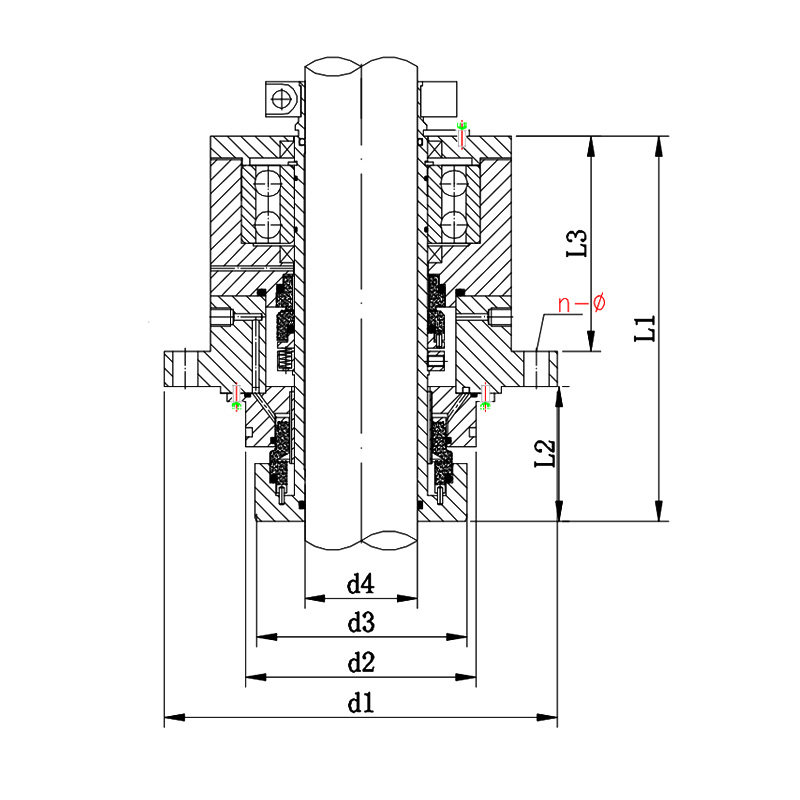
| Model | d1 | d2 | d3 | d4 | L1 | L2 | L3 | n-∅ |
| HT3-40 | 175 | 120 | 98 | 40 | 236 | 56.5 | 159.5 | 4-∅14 |
| HT3-50 | 190 | 115 | 107.5 | 50 | 293 | 93.5 | 179.5 | 6-∅14 |
| HT3-55 | 230 | 134.5 | 113 | 55 | 274 | 75.5 | 175.5 | 6-∅18 |
| HT3-60 | 240 | 144.5 | 131 | 60 | 298.5 | 96 | 177.5 | 6-∅18 |
| HT3-65 | 250 | 149.5 | 136 | 65 | 301.5 | 96 | 180.5 | 8-∅18 |
| HT3-70 | 250 | 154.5 | 141 | 70 | 298.5 | 96 | 177.5 | 6-∅16 |
| HT3-80 | 280 | 164.5 | 151 | 80 | 313 | 96 | 192 | 8-∅18 |
| HT3-90 | 300 | 174.5 | 161 | 90 | 323 | 96 | 202 | 8-∅18 |

- No. 118, Chuangye Road, Jieshou Town, Gaoyou City, Yangzhou, Jiangsu Province, China
- [email protected]
- Landline: +86-0510-83383966 +86-0510-83390667
- Mr. Chen: +86-18061519769 Mr. Xu: +86-13706183972
- Mr. Li: +86-18915358212 Mr. Lu: +86-18915337056
- Product Link
- Top-Entry Mixer
- Bottom-Entry Mixer
- Side-Entry Mixer
- SIGN UP
- Sign up to be the first to find out the latest news from Top Intelligent Technology
- Subscribe

