

 English
 日本語
日本語 русский


How to Select the Right Bottom Entry Mixer for Your Tank?
Content
- 1 Quick Answer: What to Look for in a Bottom Entry Mixer for Your Tank
- 2 Understanding the Bottom Entry Mixer (Bottom Feed Mixer)
- 3 Key Factors to Evaluate When Choosing a Bottom Entry Mixer for Your Tank
- 4 Bottom Entry vs Top Entry Mixer: Comparing Mixing Performance
- 5 Choosing the Right Impeller for a Bottom Feed Mixer
- 6 Seal Types for Sanitary Bottom Entry Mixers
- 7 Tank Size and Mounting Footprint Planning
- 8 Growing Adoption of Bottom Entry Mixers Across Process Industries
- 9 Construction Materials and Drive Considerations
- 10 Maintenance Practices for Long Term Reliability
- 11 Sourcing From a Bottom Entry Mixer Manufacturer and Supplier
- 12 Frequently Asked Questions About Bottom Entry Mixers
Quick Answer: What to Look for in a Bottom Entry Mixer for Your Tank
Selecting the right Bottom-Entry Mixer for a tank generally comes down to five practical checkpoints: seal type and sanitary compatibility, impeller selection matched to viscosity, motor drive efficiency, tank penetration and mounting fit, and how easily the unit can be cleaned between batches. A facility that addresses these five points typically ends up with a Bottom Feed Mixer that delivers gentle, low-shear agitation while fitting cleanly into an existing tank layout.
The sections below cover each of these checkpoints in detail, along with performance comparisons against top entry and side entry designs, impeller options, seal choices, and sourcing considerations for buyers working directly with a manufacturer.
Understanding the Bottom Entry Mixer (Bottom Feed Mixer)
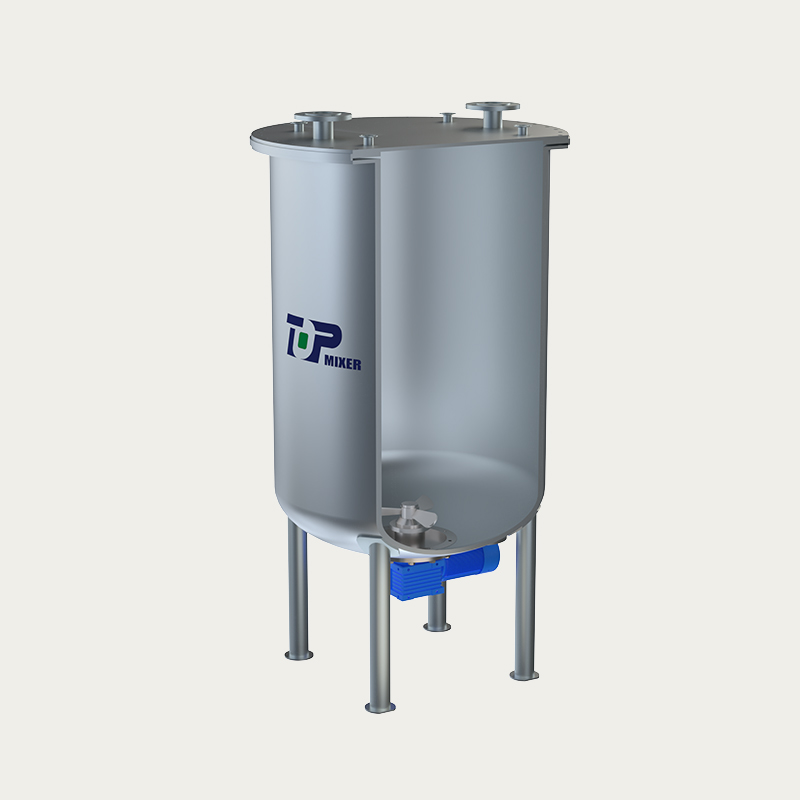
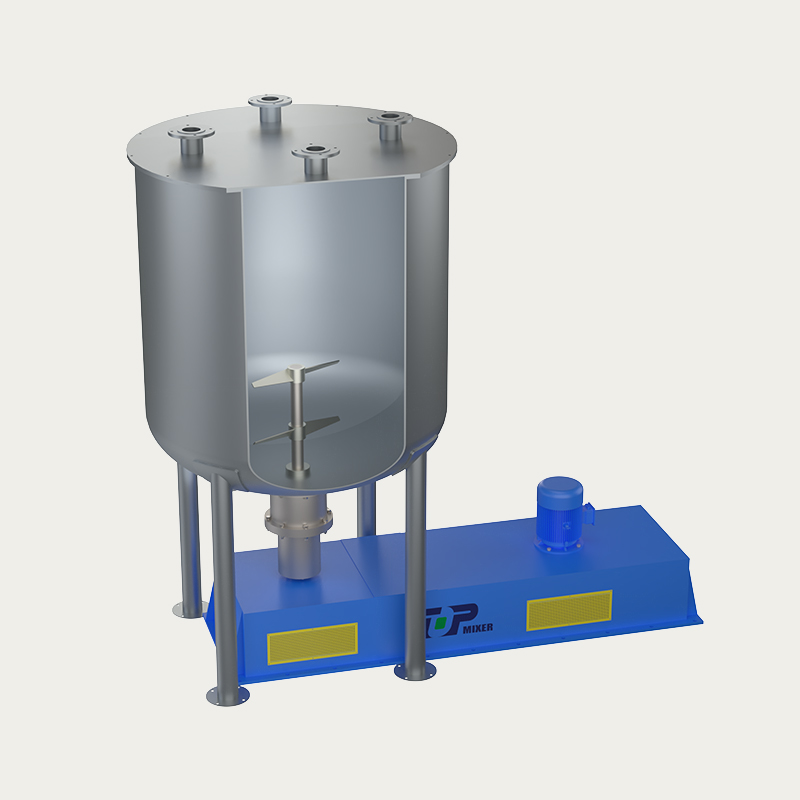
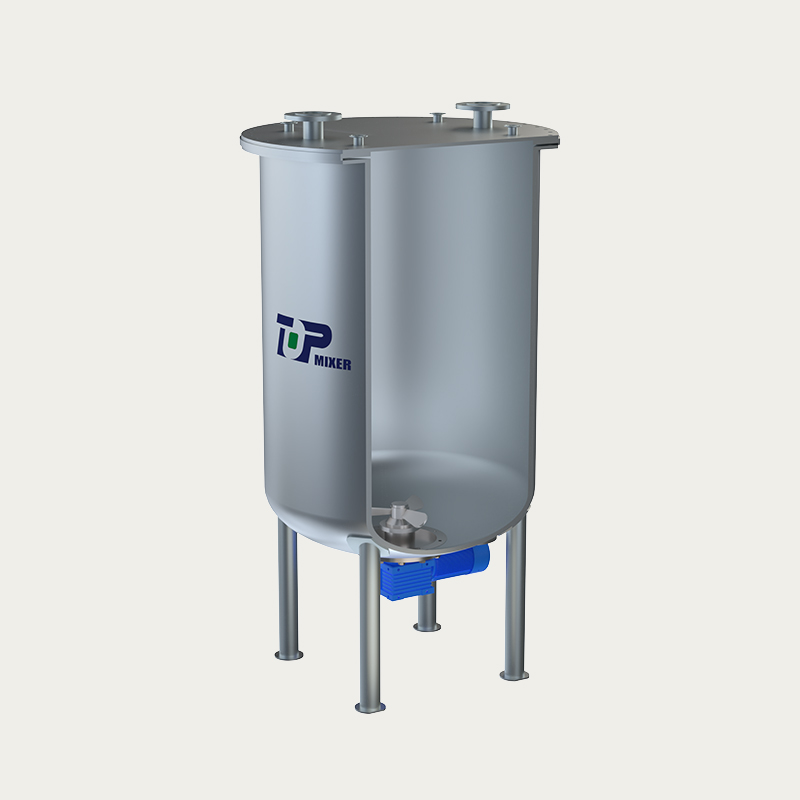
A Bottom Entry Mixer is an industrial mixing device installed through the bottom of a tank or vessel, positioned to deliver localized agitation directly into the lowest section of the liquid body. Because the shaft and impeller enter from below rather than through the top or side wall, a Bottom Feed Mixer can maintain a shorter shaft length relative to tank depth, which generally supports more stable rotation with less vibration compared to a long top entry shaft reaching deep into a tall vessel.
This compact, direct drive configuration tends to deliver strong energy efficiency alongside effective mixing, since the shorter shaft reduces mechanical loss along its length. A bottom entry design also tends to use a low-shear mixing mechanism, which suits delicate formulations that could otherwise be affected by more aggressive top entry agitation.
Why Bottom Mounted Mixers Suit Sanitary and Closed-System Processes
Because the mixer enters from the bottom, the top of the tank remains open or fully sealed for other purposes, such as inspection ports, sensors, or closed-system piping. This layout flexibility is one reason a Bottom Mounted Mixer is often selected for processes where top access is impractical or where the vessel needs to remain part of a closed processing line, including dairy processing, cosmetics formulation, and biotechnology applications.
Key Factors to Evaluate When Choosing a Bottom Entry Mixer for Your Tank
Buyers comparing catalogs from a Bottom Entry Mixer Manufacturer typically weigh a consistent set of factors before finalizing a purchase. The list below reflects the checkpoints most commonly referenced when evaluating a Bottom Entry Agitator for a specific tank and process.
- Seal type and sanitary compatibility - the barrier between the process fluid and the outside environment, which matters most in food, dairy, and pharmaceutical settings.
- Impeller geometry matched to viscosity - the blade design that determines flow pattern, shear level, and overall mixing effectiveness for the target fluid.
- Motor drive power and efficiency relative to batch size and mixing duration.
- Tank penetration size and mounting orientation, including flange compatibility with the existing vessel.
- Shaft length and critical speed, which affect vibration and long term bearing wear.
- Ease of disassembly for cleaning between batches or product changeovers.
Based on common purchasing patterns among process industry buyers, seal type and impeller geometry tend to receive the most attention during selection, since both directly affect product quality and cleaning turnaround. The chart below illustrates the general emphasis these factors tend to receive when facilities compare a Bottom Entry Mixer against other agitation options.
While every process has its own priorities depending on fluid characteristics and batch schedule, seal type and impeller geometry consistently rank among the two most influential factors in the selection process, followed closely by motor drive efficiency.
Bottom Entry vs Top Entry Mixer: Comparing Mixing Performance
Bottom Entry vs Top Entry Mixer comparisons come up frequently when a facility is planning a new tank or replacing aging agitation equipment. Each entry style has a distinct performance profile shaped by shaft length, mounting position, and access to the tank interior.
A Bottom Entry Mixer generally offers a shorter shaft path, which supports steadier rotation and lower vibration, along with a smaller footprint since the drive unit sits below or alongside the tank rather than towering above it. A top entry mixer, by contrast, often provides simpler access for very tall vessels but requires a longer shaft that can be more prone to deflection at higher tank volumes. A side entry mixer sits between the two, offering a moderate footprint with mounting through the tank wall rather than the base.
Across these general performance dimensions, a Bottom Entry Mixer tends to score highest for footprint efficiency and sedimentation prevention, which explains why it is frequently chosen for tanks where settling solids are a persistent concern.
Choosing the Right Impeller for a Bottom Feed Mixer
Impeller selection is one of the most common questions buyers raise when specifying a Bottom Feed Mixer, since the blade design directly shapes flow pattern, shear level, and how effectively the unit blends the target fluid. Four impeller families cover most process needs.
Hydrofoil Impellers for High Flow, Low Shear Blending
Hydrofoil blades generate strong axial flow with relatively low shear, which suits gentle blending, homogenization, and general circulation tasks where product integrity matters more than aggressive dispersion.
Pitched Blade Turbines for Balanced Performance
A pitched blade turbine offers a middle ground between flow and shear, making it a common default choice for general purpose mixing across a range of viscosities.
Disc Turbines for High Shear Dispersion
Disc or radial flow turbines generate higher shear and are typically reserved for dispersion, gas incorporation, or emulsification tasks where breaking up particles or droplets matters more than gentle circulation.
Anchor and Paddle Impellers for Viscous Blending
Anchor and paddle designs move slowly along the tank wall, which suits higher viscosity fluids where a close clearance to the vessel wall helps prevent stagnant zones.
Higher shear generally supports finer dispersion, while lower shear supports gentler handling of delicate products. Matching the impeller to the process goal, rather than defaulting to a single blade style, is usually the deciding factor in mixing outcome.
Seal Types for Sanitary Bottom Entry Mixers
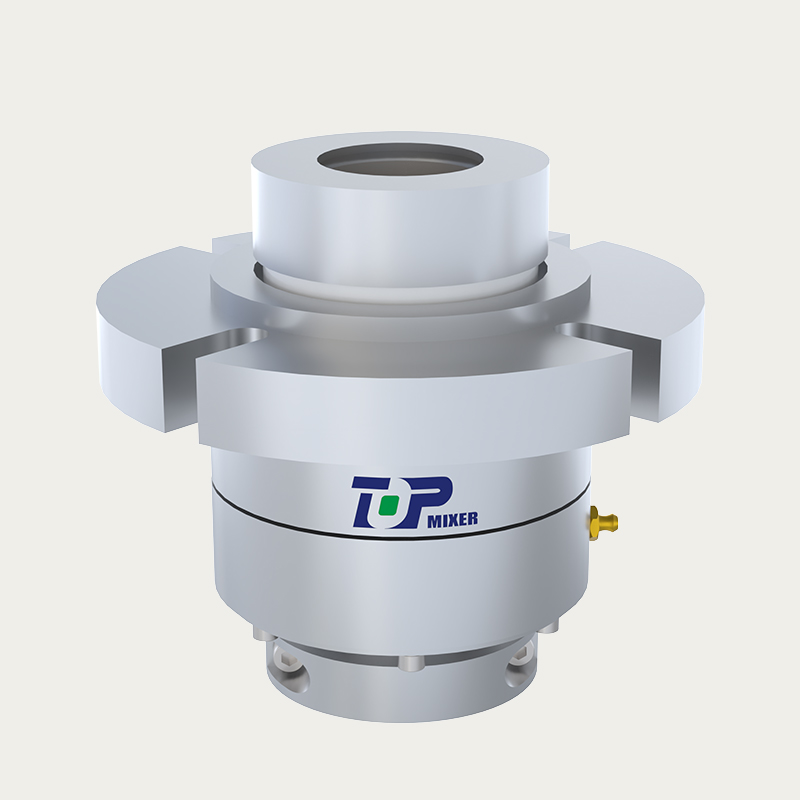
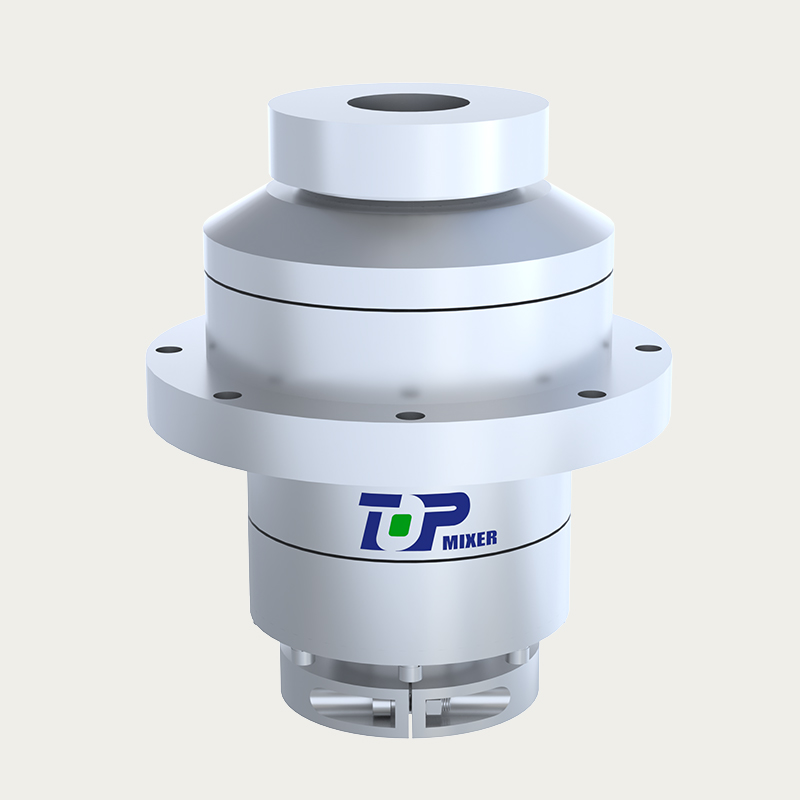
The seal is one of the most closely reviewed components on any sanitary Bottom Entry Mixer, since it forms the barrier between the process fluid and the outside environment while the shaft rotates. Different seal configurations suit different sanitary and duty requirements.
| Seal Type | Typical Application | Cleaning Characteristics |
|---|---|---|
| Single Mechanical Seal | General sanitary processing | Straightforward disassembly for routine cleaning |
| Double Mechanical Seal | High purity or aseptic processes | Barrier fluid layer supports strict sanitary routines |
| Lip Seal | Lower duty, non-sanitary tanks | Simple design with lower ongoing complexity |
For dairy processing, cosmetics, and biotechnology applications, a double mechanical seal is generally the preferred configuration since it adds a barrier fluid layer between the process side and the outside environment, supporting the stringent cleaning routines common in those industries.
Tank Size and Mounting Footprint Planning
Tank penetration size and service clearance are practical planning details that are easy to overlook until installation day. Matching the mixer's mounting flange to the tank's base penetration, and leaving enough room below the tank for maintenance access, keeps future service work straightforward.
| Tank Volume Range | Typical Penetration Size | Recommended Service Clearance |
|---|---|---|
| Small Tanks, up to 5000 L | About 2 to 3 inches | About 20 inches below the tank |
| Medium Tanks, 5000 to 20000 L | About 3 to 4 inches | About 24 inches below the tank |
| Large Tanks, above 20000 L | About 4 to 6 inches | About 30 inches below the tank |
Leaving adequate service clearance below a Bottom Mounted Mixer makes routine seal inspection and impeller removal considerably easier, which in turn shortens downtime during scheduled maintenance windows.
Growing Adoption of Bottom Entry Mixers Across Process Industries
Over recent years, process facilities across dairy, cosmetics, biotechnology, and fine chemical production have shown a steady shift toward bottom entry configurations for tanks where sedimentation control and closed-system compatibility matter. This pattern generally tracks broader trends in sanitary process design, where operators increasingly favor equipment that supports easy cleaning without complicating access to the top of the vessel.
This general upward pattern reflects how many process facilities have reevaluated their tank agitation strategy in favor of a Bottom-Entry Mixer configuration, rather than pointing to any single verified industry-wide dataset. Buyers weighing a Bottom Entry Mixer against a top entry replacement often cite footprint efficiency and cleaning turnaround as deciding factors.
Construction Materials and Drive Considerations
Stainless Steel Grade and Wetted Parts
Wetted parts on a sanitary Bottom Entry Mixer are typically built from stainless steel grades selected for corrosion resistance and compatibility with cleaning chemicals used in dairy, cosmetics, and biotechnology settings. A smooth, low-roughness surface finish on wetted components also supports faster, more thorough cleaning between batches.
Direct Drive Motor Efficiency
A direct drive configuration removes the mechanical loss associated with belts or extended gear trains, which generally improves overall energy efficiency while reducing the number of moving parts that require periodic service.
Shaft and Coupling Design
Because a bottom entry configuration uses a comparatively short shaft, coupling alignment between the motor and impeller shaft has a meaningful effect on vibration levels. A well aligned, properly supported shaft assembly tends to extend bearing and seal life across years of continuous operation.
Maintenance Practices for Long Term Reliability
Routine maintenance keeps a Bottom Entry Mixer performing consistently across years of process use. A simple, consistent schedule generally covers the following steps.
- Inspect the mechanical seal on a regular basis for signs of leakage or wear along the sealing face.
- Check shaft alignment and coupling hardware periodically to catch early signs of vibration before they affect bearing life.
- Clean the impeller and shaft assembly between product changeovers to prevent residue buildup in sanitary applications.
- Verify motor mounting bolts and drive components are properly tightened on a set schedule.
- Monitor bearing temperature and noise levels during operation as an early indicator of developing wear.
- Replace seal components proactively based on running hours rather than waiting for a visible failure.
- Confirm the tank penetration gasket or flange seal remains intact during every scheduled inspection.
- Keep a simple maintenance log so facility staff can track service intervals across every mixer on the process line.
Facilities that follow a structured maintenance routine generally see fewer unexpected service interruptions and get a longer working life out of each Bottom Feed Mixer installed on the process floor.
Sourcing From a Bottom Entry Mixer Manufacturer and Supplier
Facilities that need a Bottom Entry Mixer built to specific shaft length, seal configuration, or impeller geometry typically work directly with a manufacturer rather than a general distributor. WUXI TOP MIXER EQUIPMENT CO., LTD. was established in 2003, with its production base located in the Yangtze River Delta economic zone in Wuxi, and operates as a Bottom Entry Mixer Manufacturer and Bottom Entry Mixer Supplier specializing in fluid, powder, and slurry mixing equipment research, design, and production.
As a China Bottom Entry Mixer Factory, the company organizes its work across dedicated divisions covering powder and slurry mixing, biomass energy and environmental protection, food and medicine processing, and fine chemical mixing, supported by an engineering team with broad process experience across these fields. This structure allows an OEM Bottom Entry Mixer program to be adjusted for shaft length, seal type, impeller style, and mounting flange before production begins, rather than limiting buyers to a single fixed specification.
The company's products are used across more than 30 provinces, cities, and autonomous regions within mainland China, along with international markets including the United States, Russia, Europe, and Southeast Asia, supported by service points established in select regions. For facilities planning a new tank installation or replacing aging agitation equipment, working with a Bottom Entry Mixer Supplier that manufactures its own components generally shortens the path between a facility's specific process requirements and the finished Bottom Mounted Mixer installed on the line.
Frequently Asked Questions About Bottom Entry Mixers
- Q1: How does a Bottom Entry Mixer work?
A: A shaft and impeller enter the tank through a sealed penetration in the base, rotating to circulate and blend the fluid from the lowest point of the vessel upward. - Q2: What are the benefits of Bottom Entry Mixers?
A: A shorter shaft supports steadier rotation, the compact footprint fits well into limited spaces, and the low-shear mixing action suits delicate or sanitary processes. - Q3: How to choose a Bottom Entry Mixer?
A: Focus on seal type, impeller geometry matched to viscosity, motor drive efficiency, tank penetration fit, and how easily the unit can be cleaned between batches. - Q4: Bottom Entry vs Top Entry Mixer, which is better?
A: Neither is universally better. A bottom entry unit generally offers a smaller footprint and steadier shaft behavior, while a top entry unit can suit very tall vessels where base access is impractical. - Q5: Which impeller is best for mixing?
A: The best impeller depends on the process goal, with hydrofoil blades suited to gentle blending, disc turbines suited to high shear dispersion, and anchor styles suited to viscous fluids. - Q6: How to maintain a Bottom Entry Mixer?
A: Inspect the mechanical seal regularly, check shaft alignment, clean the impeller between batches, and monitor bearing temperature as part of a routine maintenance schedule. - Q7: What seal is best for sanitary mixers?
A: A double mechanical seal is generally preferred for high purity or aseptic applications, since the added barrier fluid layer supports strict sanitary cleaning routines. - Q8: How to improve mixing efficiency in tanks?
A: Matching impeller geometry to fluid viscosity, maintaining proper shaft alignment, and selecting a mixer with adequate drive efficiency for the batch size all contribute to improved mixing efficiency.


- No. 118, Chuangye Road, Jieshou Town, Gaoyou City, Yangzhou, Jiangsu Province, China
- [email protected]
- Landline: +86-0510-83383966 +86-0510-83390667
- Telphone: +86-0510-83390667
- Mr. Chen: +86-18061519769 Mr. Xu: +86-13706183972
- Mr. Lu: +86-18915337056
- Product Link
- Top-Entry Mixer
- Bottom-Entry Mixer
- Side-Entry Mixer
- SIGN UP
- Sign up to be the first to find out the latest news from Top Intelligent Technology
- Subscribe

